
Activities & Technologies
The High-Luminosity LHC is formed of 20 work packages, each responsible for different activities of the project and its technologies.
Many technologies are completely new or have never been used in an accelerator before, and others are vital upgraded versions to existing technologies, to deal with the increased energy and luminosity of the HiiLumi LHC or to replace equipment that has reached the end of its lifetime in the LHC. Other activities work transversally across many work packages for safety and optimisation of designs and layout, or are necessary for project coordination across teams and international collaborations.
Below, explore each activity that makes up this upgraded accelerator.
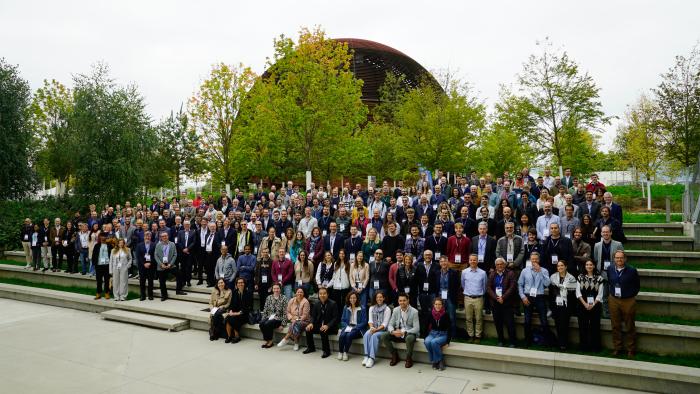
WP1: Project Management
The project relies not only on technical success but also coordination across the 20 work packages and people across the worldwide collaboration.
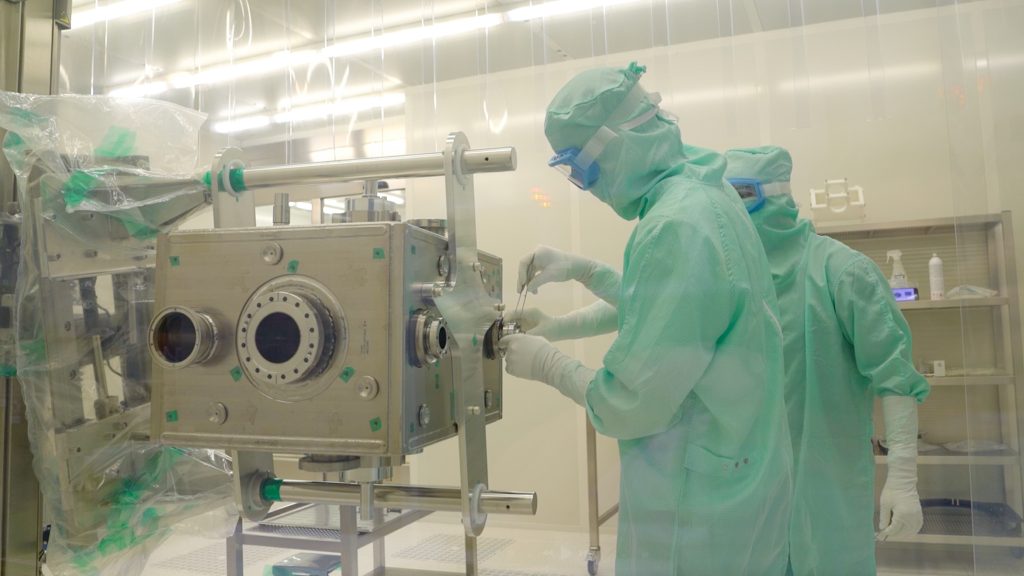
WP4: Crab Cavities & RF
To maximise crossing of particle bunches at the collision points, novel crab cavities use radio frequency fields to tilt the particles.
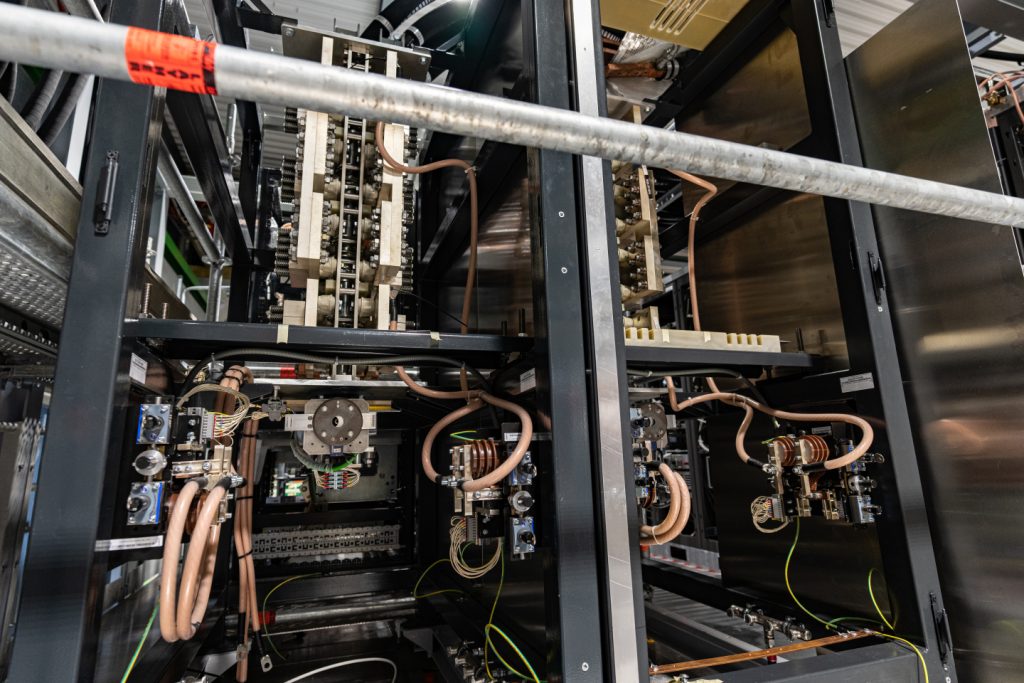
WP6B: Warm Powering
Upgraded room-temperature powering equipment is vital for feeding critical magnet circuits of the upgraded accelerator.
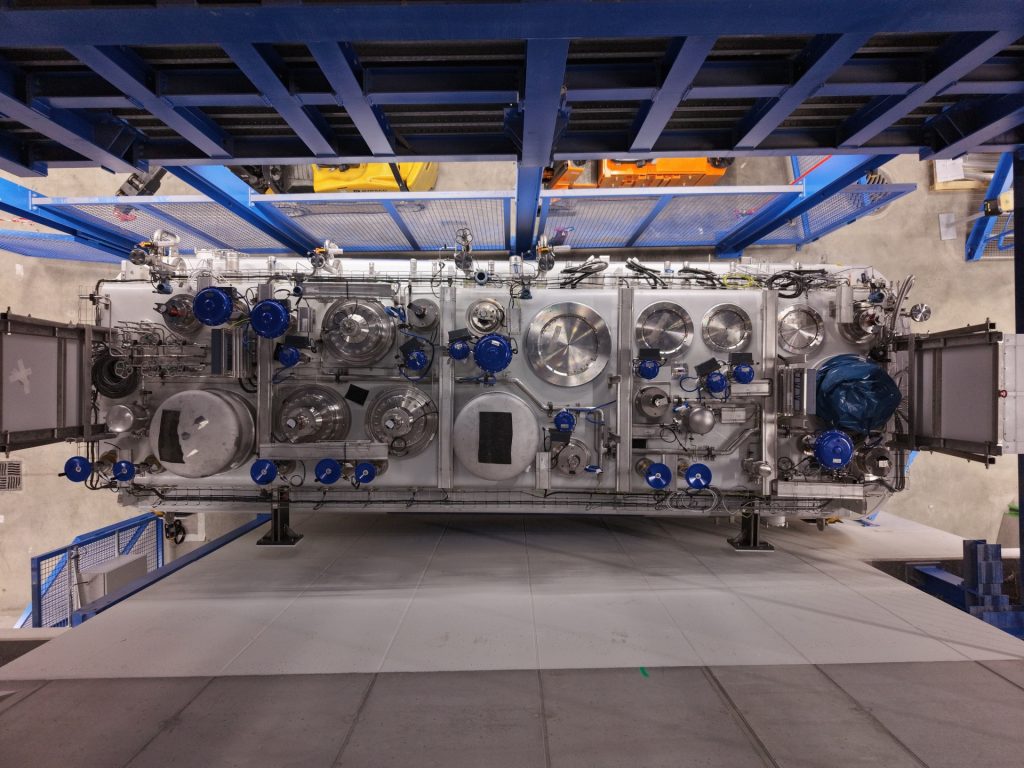
WP9: Cryogenics
Cryogenic cooling is vital for superconducting conditions in the tunnel.
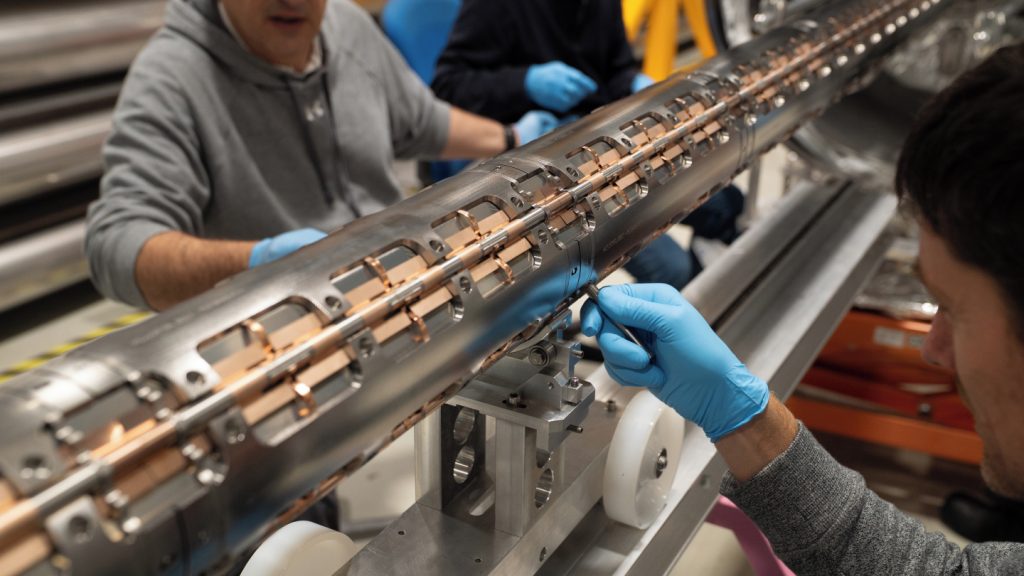
WP12: Vacuum & Beam Screen
A novel beam screen shields the magnets from particle debris and helps maintain the ultra-high vacuum needed to prevent beams interacting with the outside world.
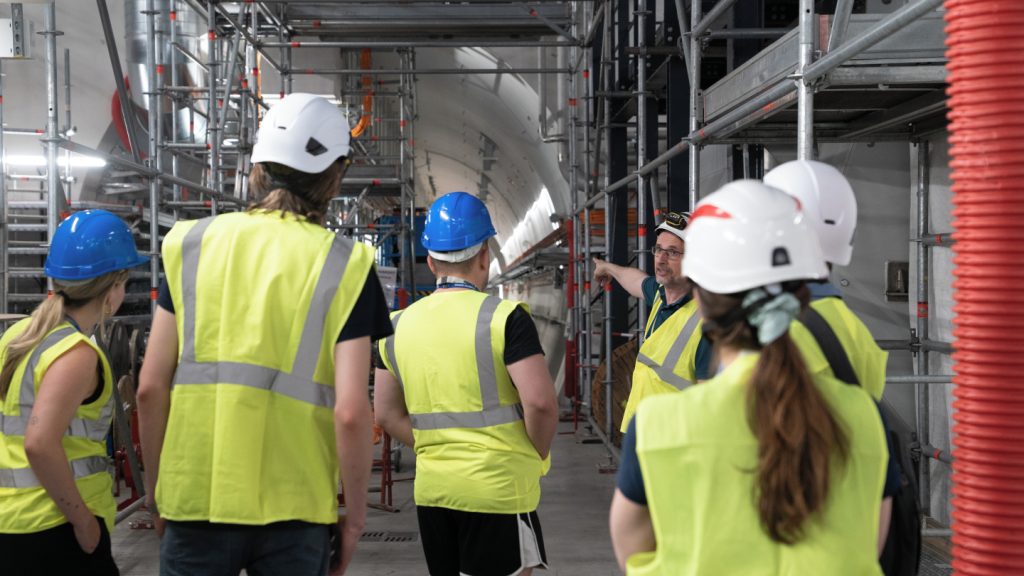
WP15: Integration & (De-)Installation
A team is dedicated to coordinating the many activities across the HiLumi surface and underground facilities, and the accelerator tunnel.
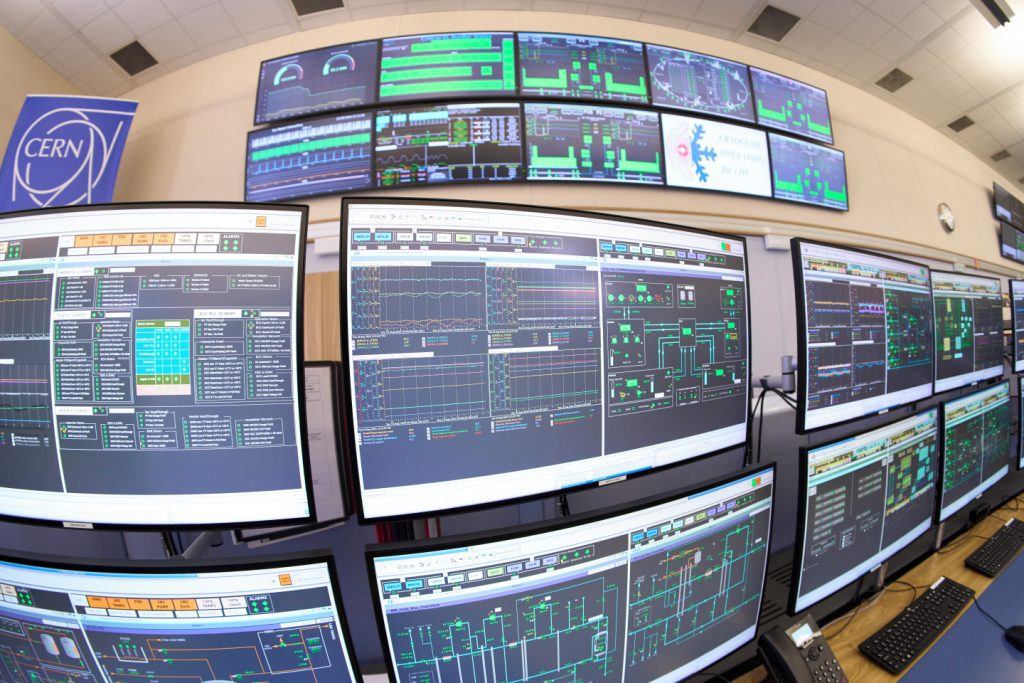
WP2: Accelerator Physics & performance
Models and lessons from the LHC help inform how technology should be designed and positioned in the accelerator to achieve the luminosity goals of HiLumi LHC.
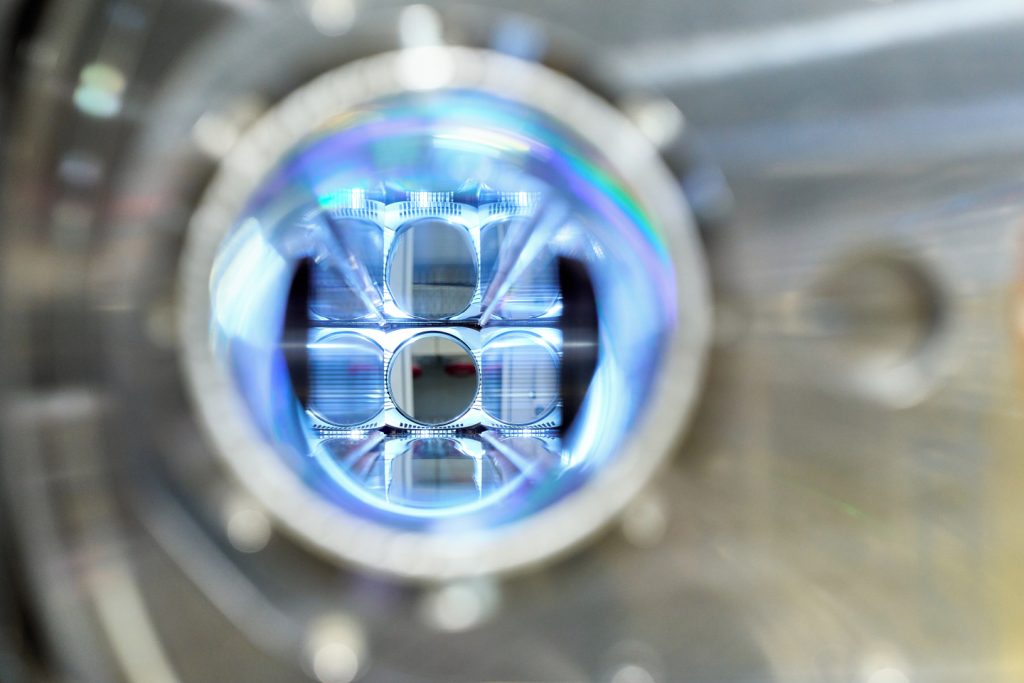
WP5: Collimation
Collimators “clean” the beam by intercepting particles that stray from the path, shaping and focusing the beam and preventing unwanted interactions with the surrounding equipment.
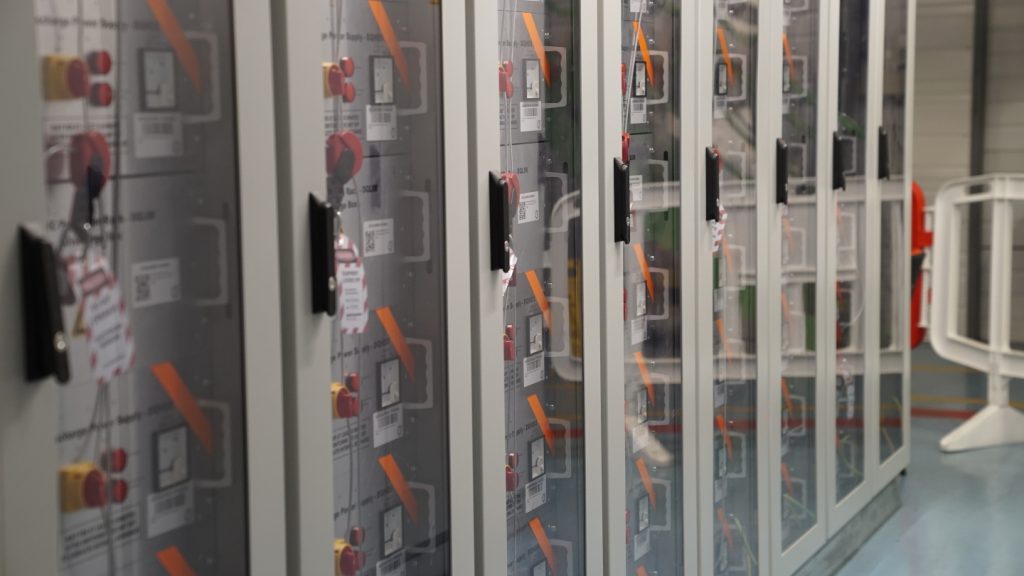
WP7: Machine Protection & Availability
The magnets and accelerator equipment in the accelerator must be protected from stray particles and in the event of unexpected equipment failure.
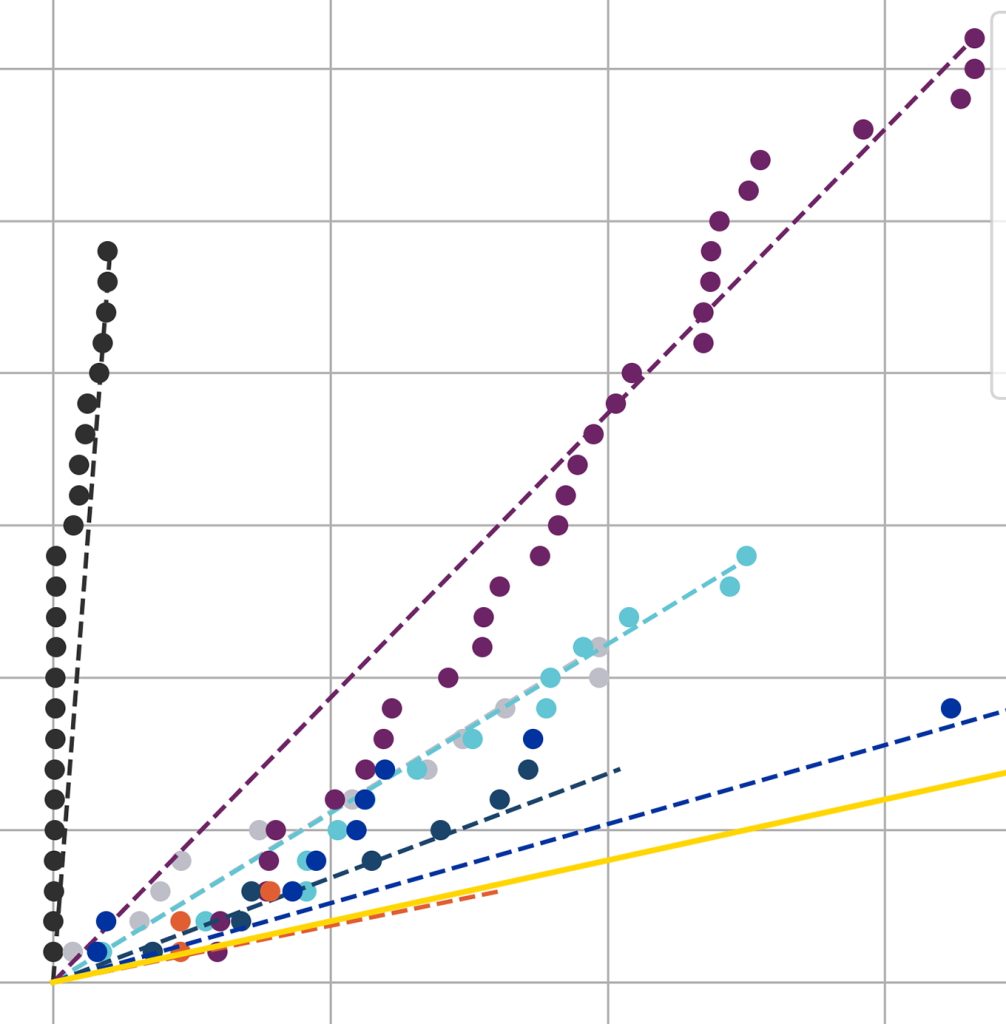
WP10: Energy Deposition & R2E
There is a dedicated team studying radiation scenarios and effects using models, to inform on how to minimise effects in terms of both safety and equipment tolerance.
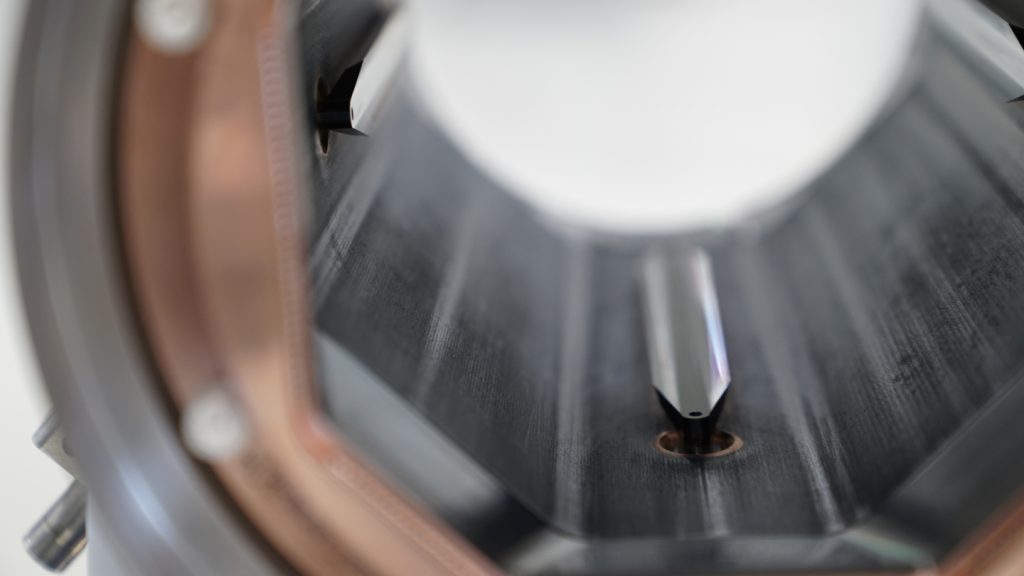
WP13: Beam Instrumentation
Many different kinds of sensors are needed to tell us where beam bunches are, their size, and what they are doing as they go around the accelerator.
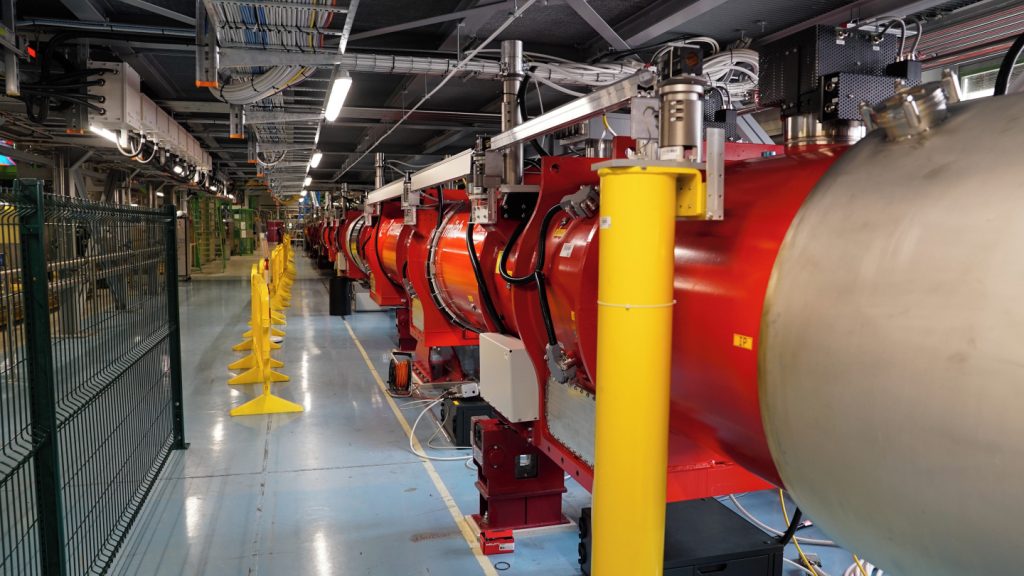
WP16: IT String & Commissioning
An above-ground replica of the key upgraded region of the HiLumi LHC is used as a test stand, testing the multiple systems together.
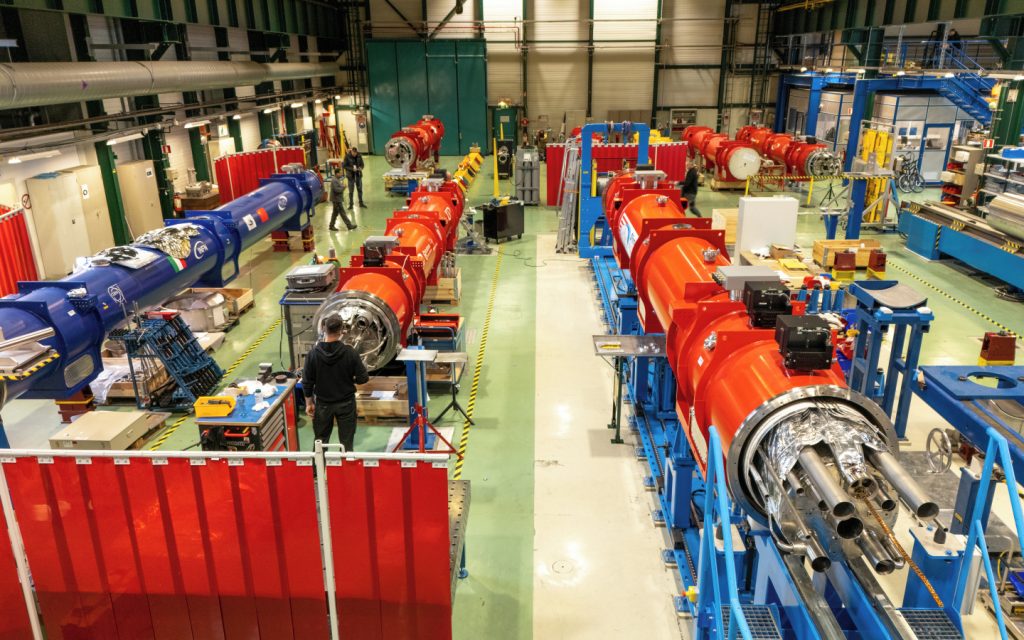
WP3: Interaction Region Magnets
Novel magnets are being developed and produced for this upgrade, particularly in the regions either side of CMS and ATLAS collision points.
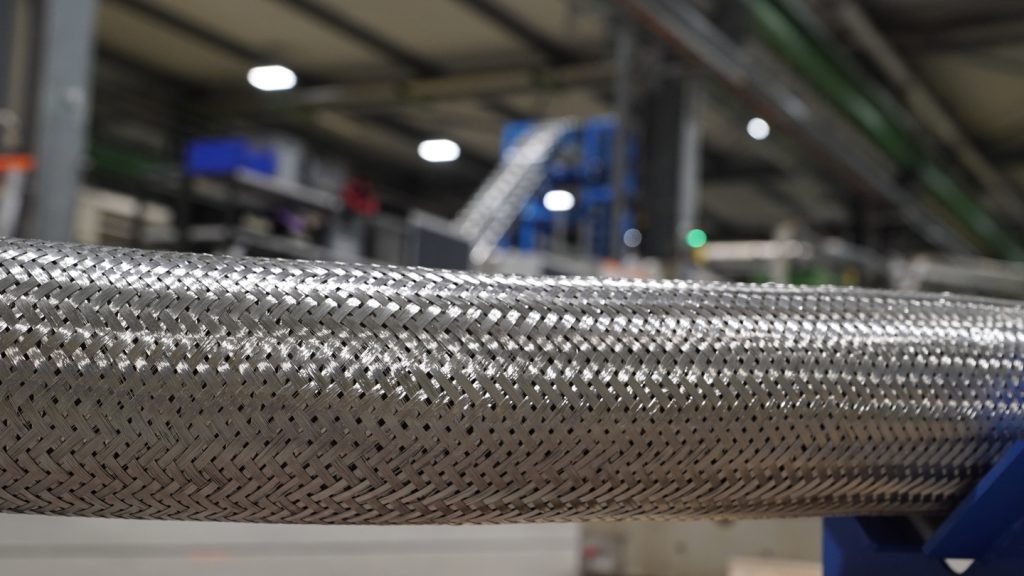
WP6A: Cold Powering
Using novel superconducting materials, this system will transfer current across a sharp temperature change from new galleries to the accelerator tunnel.
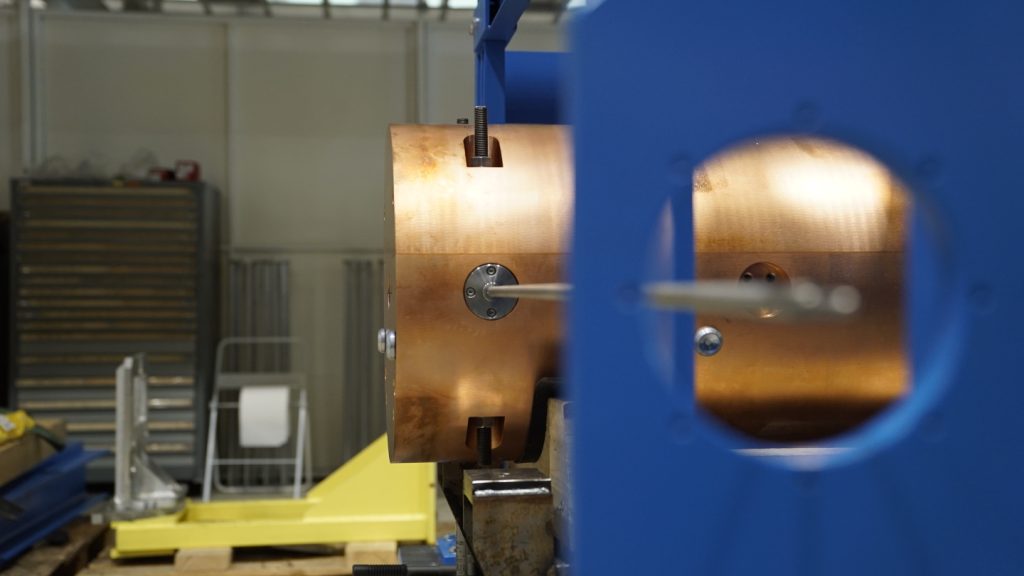
WP8: Collider-Experiment Interface
Beam absorbers and robots for remote handling are being developed to deal with the especially tight space and radiation limitations of the areas around the collision points.
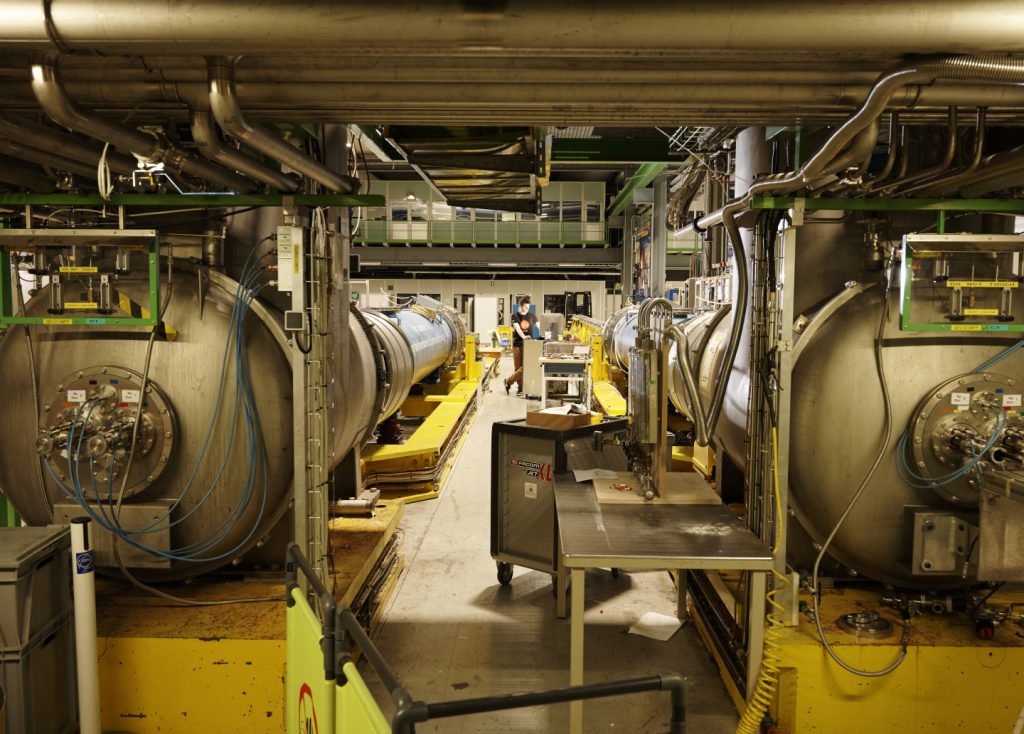
WP11: 11 Tesla Dipole
This was one type of magnet proposed, designed and tested for the HiLumi LHC. It was considered to not be a viable path in XX and descoped from the project.
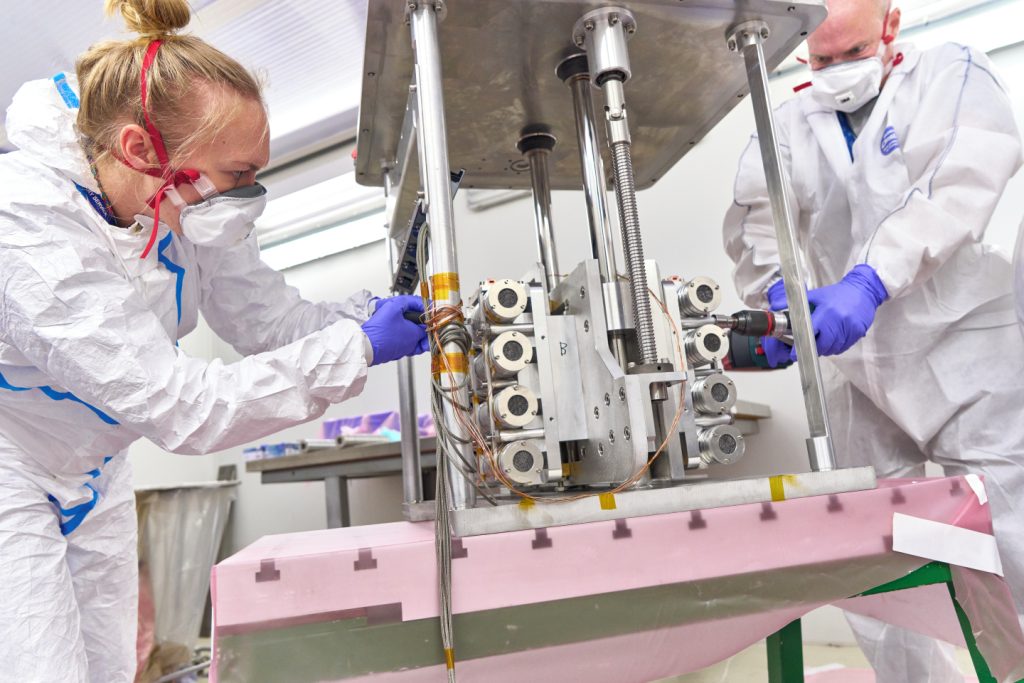
WP14: Beam Transfer & Kickers
Beam bunches are injected into, and extracted from, the accelerator using kicker magnets. New MKI Cool kickers have been developed for HiLumi LHC. The ejected beams are absorbed using a novel beam dumping system.
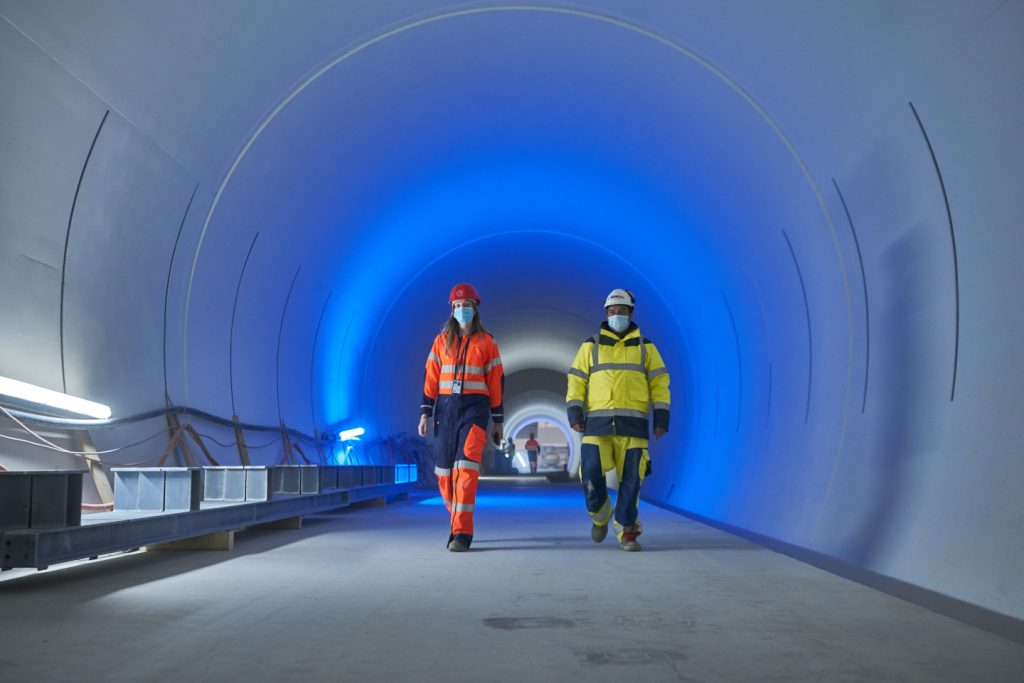
WP17: Infrastructure, Logistics & Civil Engineering
New underground galleries and surface buildings will house key equipment for the upgrade.
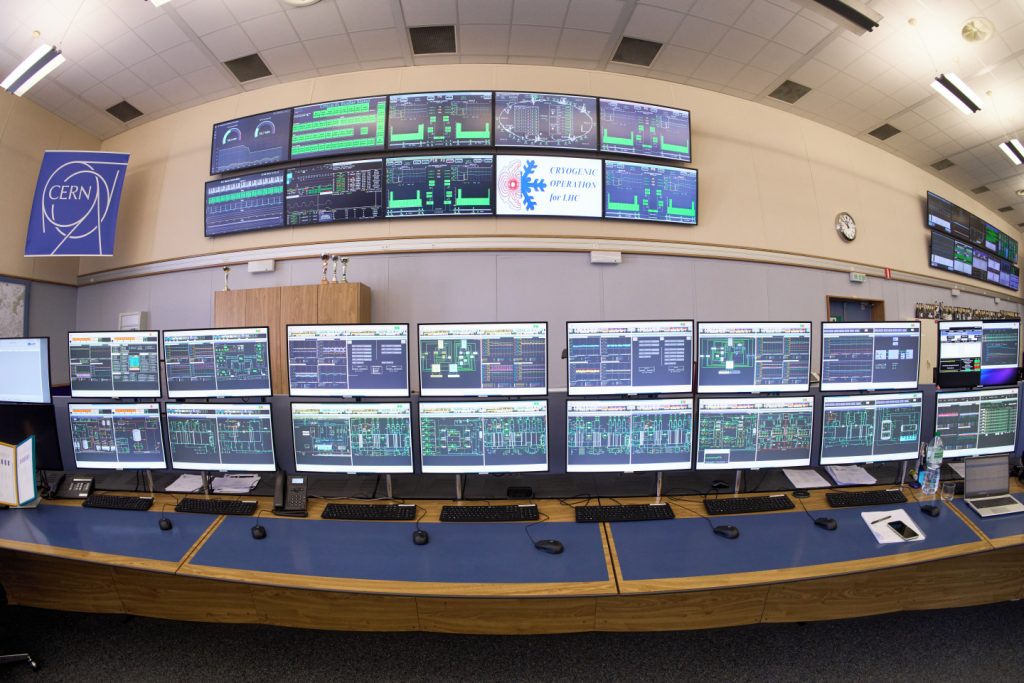
WP18: Controls Technologies
During operation, the accelerator is controlled and monitored from above-ground.
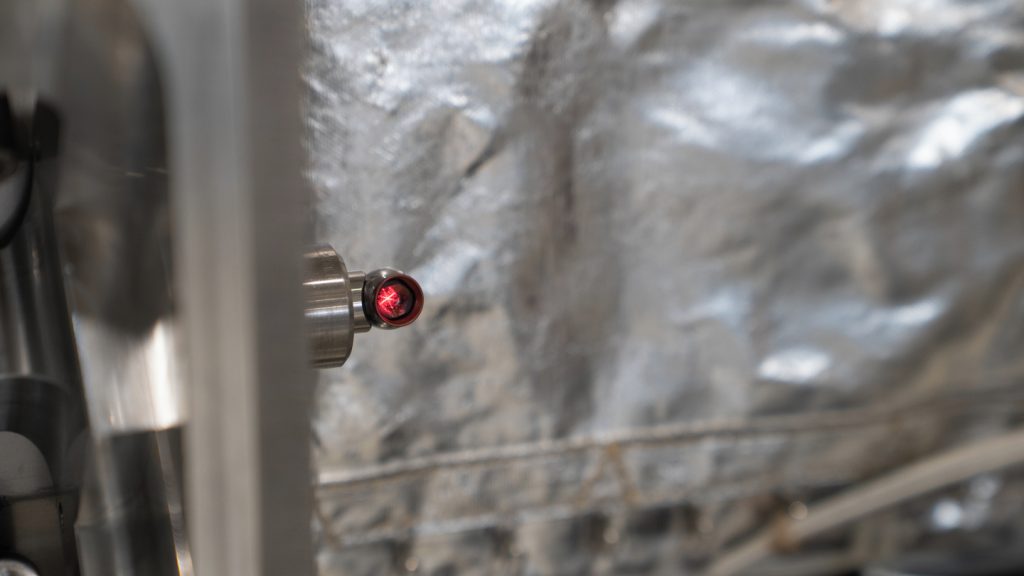
WP19: Alignment & Metrology
Equipment around the accelerator needs to be precisely aligned. Precise alignments performed during equipment assembly and a novel Full Remote Alignment System has been developed to precisely align equipment in the accelerator.