Tag: TRIUMF
-
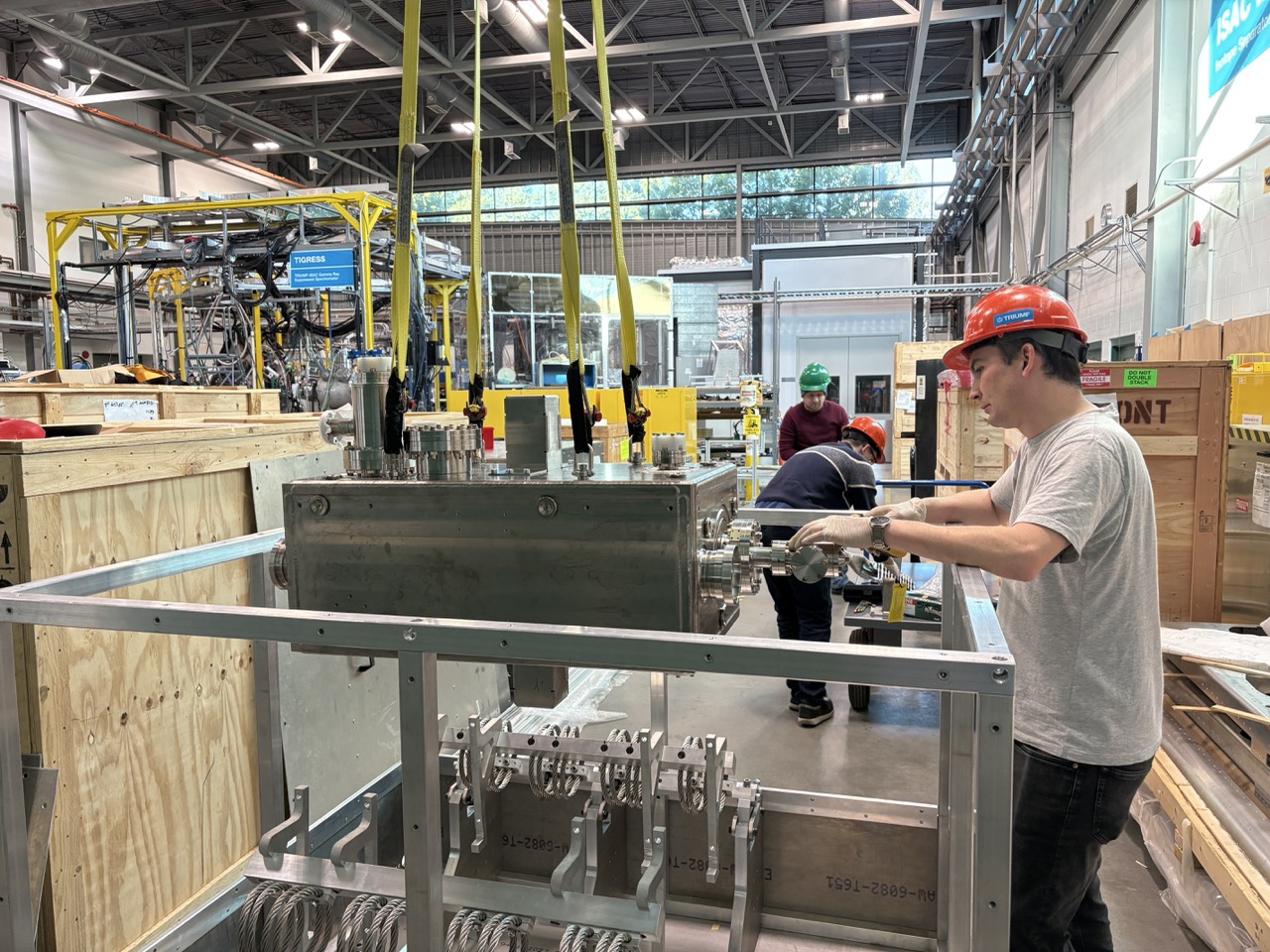
First series RFD crab cavity on the road to cryomodule assembly
The first dressed series RF dipole crab cavity, RFD02, has been successfully delivered to TRIUMF, Canada, from JLAB, USA. This begins the cavity’s journey towards cryostating, when it will be integrated – along with the second dressed series cavity expected to arrive still in the first half of 2026 – into the first series cryomodule.
-
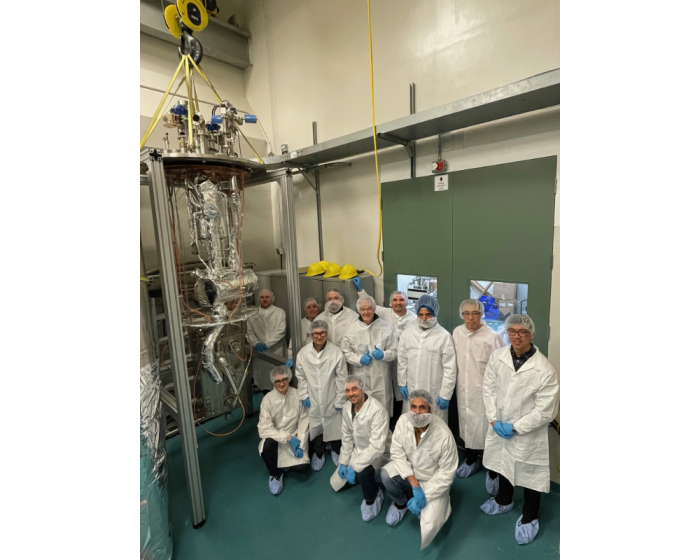
First RFD cold test at TRIUMF, Canada
The HiLumi Project Canadian contribution is now really kicking off with the reception of the first prototype RFD cavity, contributed by the US-AUP collaboration.
-
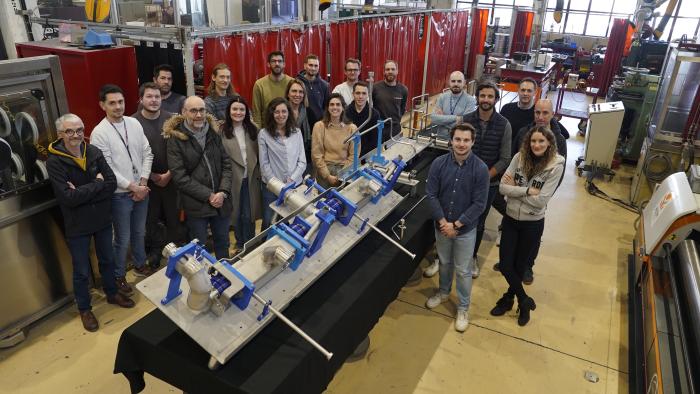
First series cryogenic lines built for crab cavity cryomodules
Within the framework of the HL-LHC Work Package 4 (Crab Cavities & RF), the series production of cryogenic lines is actively underway at CERN’s EN-MME main workshop.
-
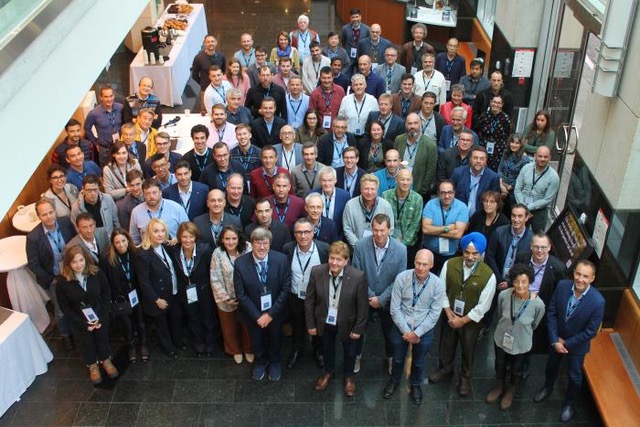
Kick-off for the Canadian Contribution during the 13th HL-LHC Collaboration meeting in Vancouver
As the LHC’s third operational run approaches the halfway point, the High-Luminosity upgrade project and its international collaboration are now fully focusing on the series production of all project deliverables in view of their installation and validation in the LHC tunnel as of the start of LS3 in 2026.
-
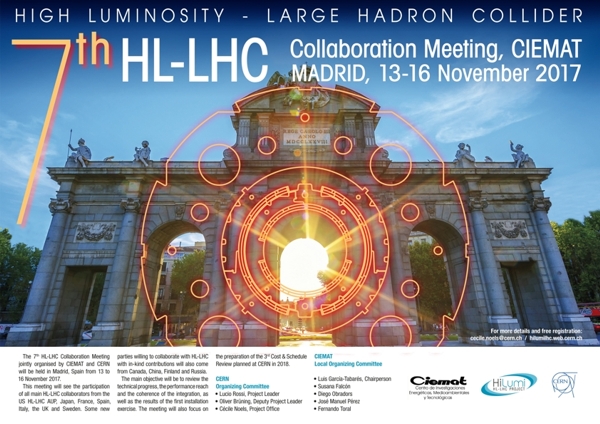
7th HL-LHC Collaboration Meeting, CIEMAT, Madrid, 13-16 November 2017
7th HL-LHC Collaboration Meeting, CIEMAT, Madrid, 13-16 November 2017 The HL-LHC project is progressing in the construction phase. The hardware models as well as the prototypes of equipment in their final configuration are under construction or under test. In 2017, we achieved a number of key milestones. The crab cavity prototypes for the SPS tests