
Tag: UK Collaboration
-
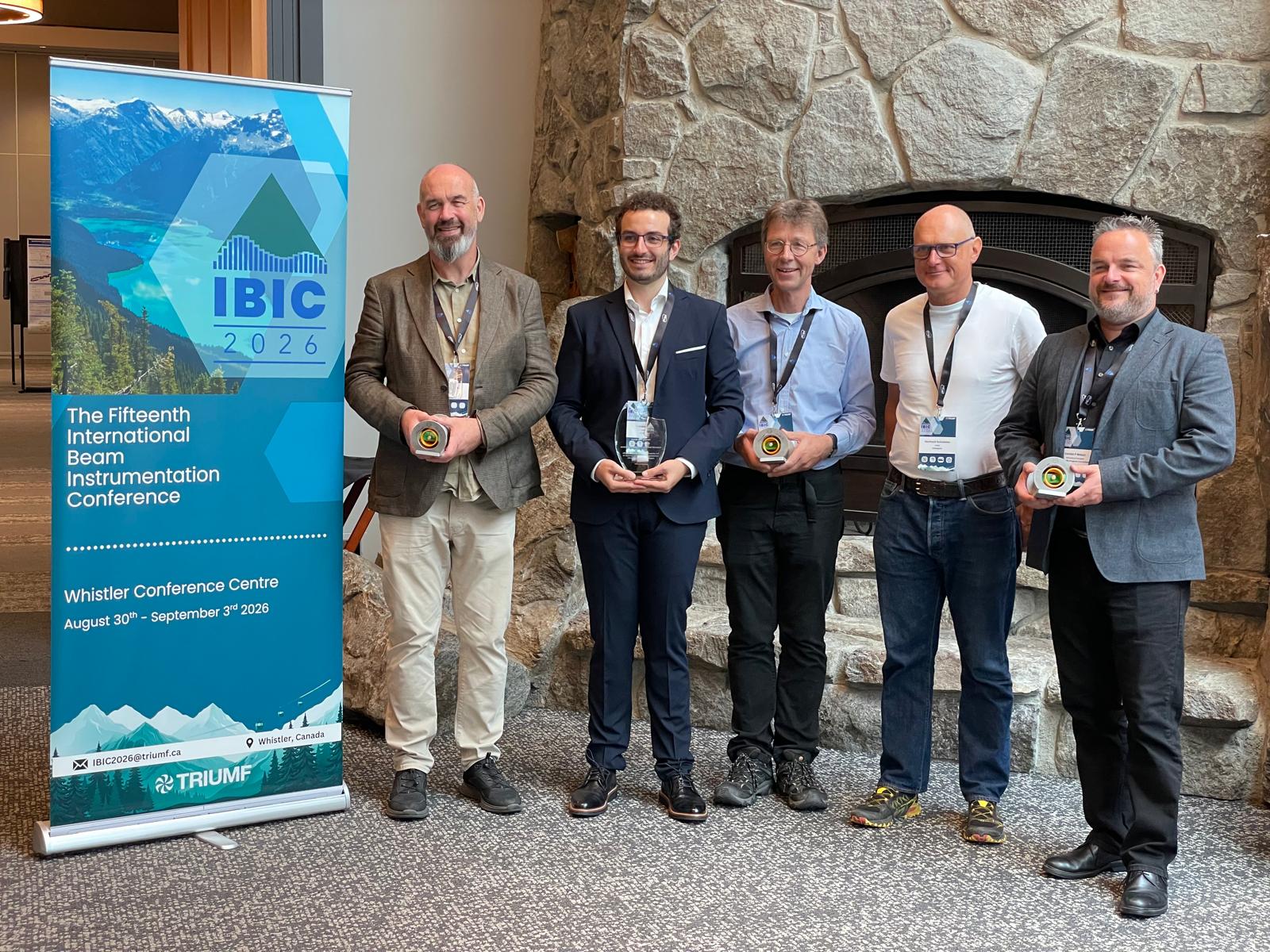
Beam Gas Curtain collaboration awarded the Faraday Cup
Beam Gas Curtain collaboration awarded the Faraday Cup The teams behind the Beam Gas Curtain have been awarded the main international award for innovation in production of operational beam instrumentation. By Ray Veness (CERN) For the last 10 years, HiLumi LHC Work Package 13 – responsible for Beam Instrumentation – has been working with The
-
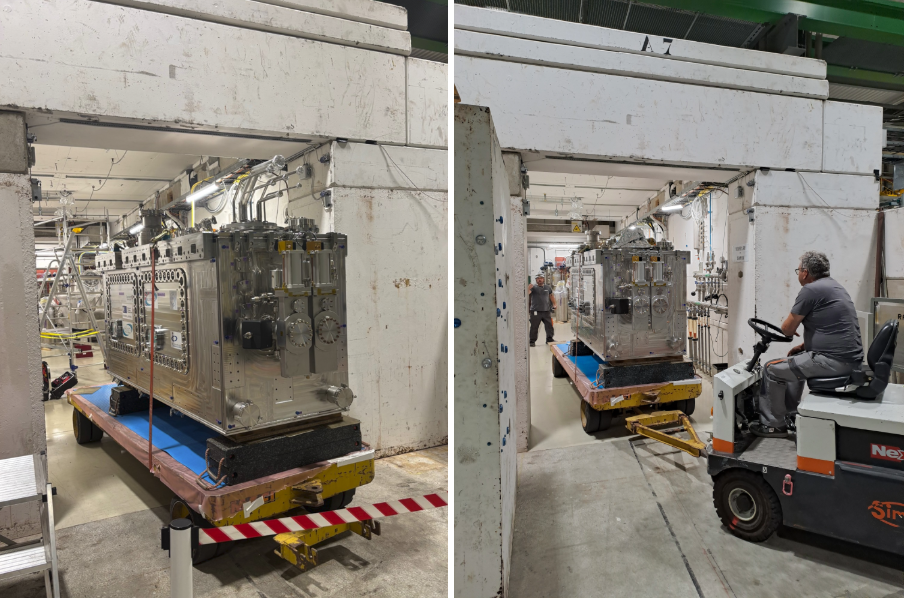
First series Double Quarter Wave crab cavity cryomodule arrives at CERN
The arrival of the first series DQW cryomodule from UK-STFC to CERN marks a significant milestone for the High-Luminosity (HiLumi) LHC crab cavity project.
-

Completion of DFX and DFM cryostats for the HiLumi LHC Cold Powering Systems
In January 2026, CERN and the University of Southampton (SOTON) celebrated the successful completion of the series production of the DFX and DFH cryostats for the High-Luminosity LHC (HiLumi LHC) Cold Powering Systems.
-
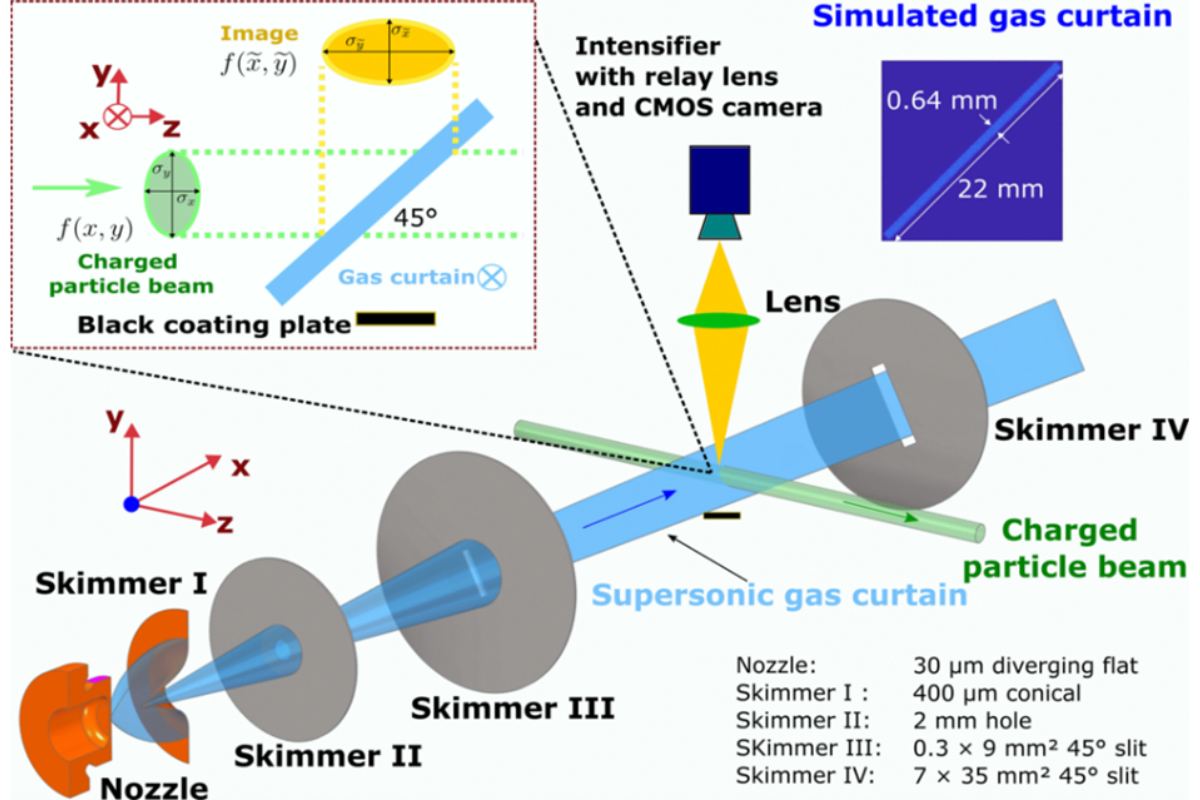
Beam gas curtain monitor becomes an operational instrument for CERN’s Large Hadron Collider | Accelerating News
By Hao Zhang (Cockcroft Institute/University of Liverpool) on Accelerating News Following a positive evaluation during a review of transverse beam profile monitoring for the HiLumi LHC in September 2025, in February 2026 the BGC monitor was approved as an important addition to the beam instrumentation baseline for the HiLumi era. “It’s a huge success and
-
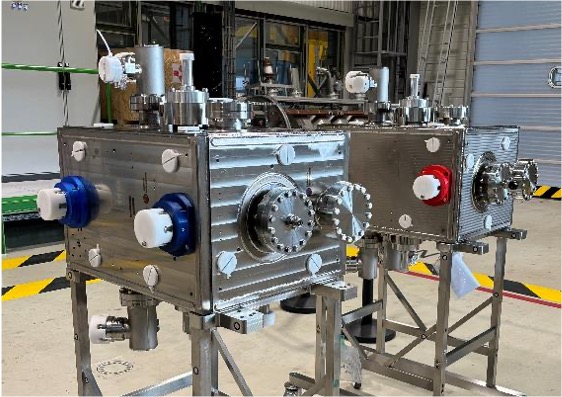
All bare DQW crab cavities produced and qualified
Following etching and most-recent tests of the final 6 bare DQW crab cavities delivered to CERN earlier this year, the whole DQW series has been qualified.
-
All components for the Cold Powering Systems of the HL-LHC now at CERN
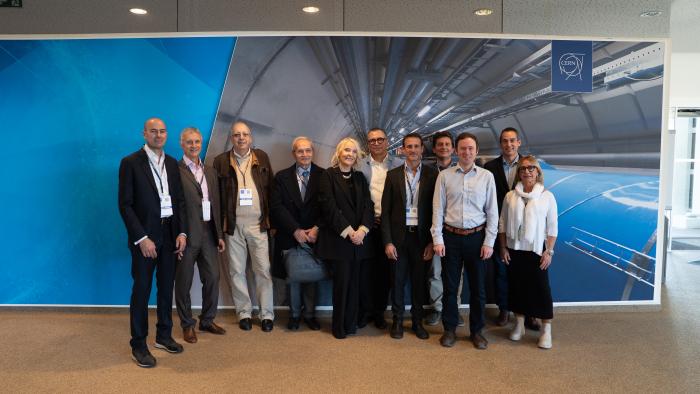
At the end of October 2025, ICAS delivered to CERN the last of the ten complex MgB₂ cable assemblies needed for the Superconducting Links of the Cold Powering Systems that will be used for connecting the magnets to the power converters in the HL-LHC.
-
Successful repair and testing of the first RFD cryomodule
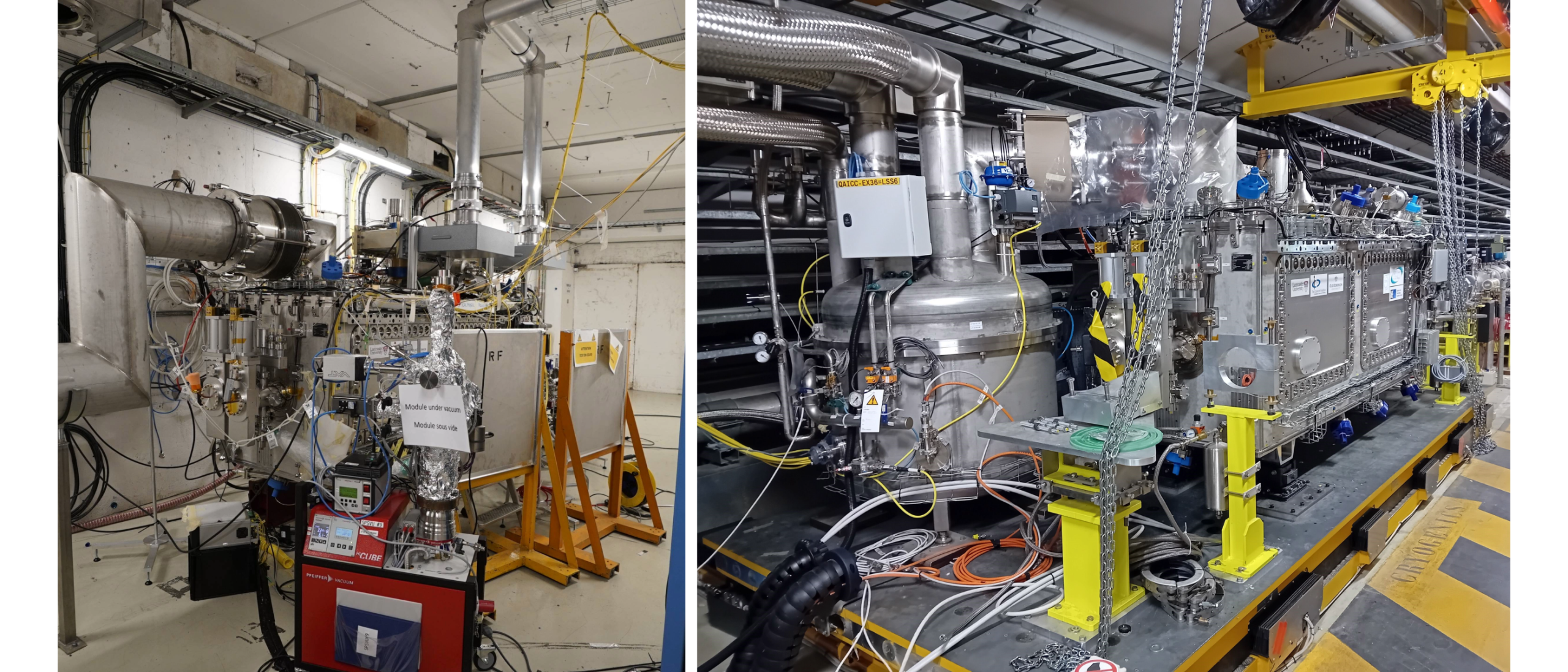
The first RF dipole crab cavity cryomodule, which arrived with two major non-conformities, has now been successfully repaired and commissioned.
-
Completion of DFX construction for the HL-LHC Cold Powering Systems
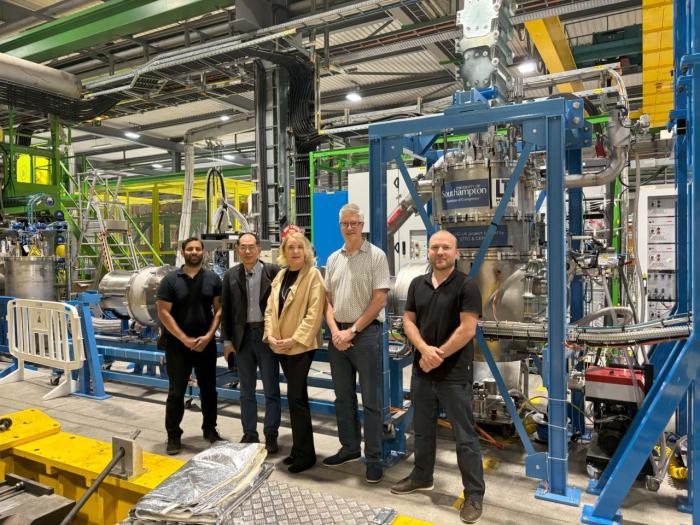
Each of the HL-LHC Cold Powering Systems incorporates, at its cold (4.5 K) end, a complex cryostat called a Distribution Feedbox (DF). Two types of DF cryostats are needed for the HL-LHC: five DFX, for the Triplets, and five DFM, for the Matching Sections.
-
UK delivers first state-of-the-art cryomodule to CERN for the High-Luminosity LHC upgrade
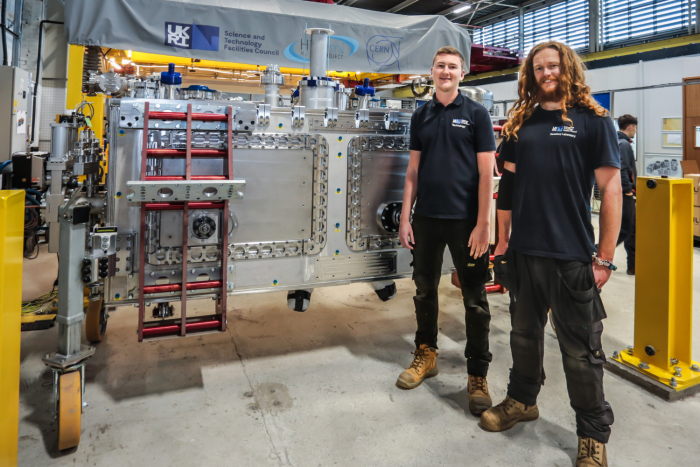
The first pre-series cryomodule equipped with superconducting Radio Frequency Dipole (RFD) crab cavities was completed in October 2023 at Science and Technology Facilities Council (STFC)’s Daresbury Laboratory as a collaboration between HL-LHC-UK and CERN
-
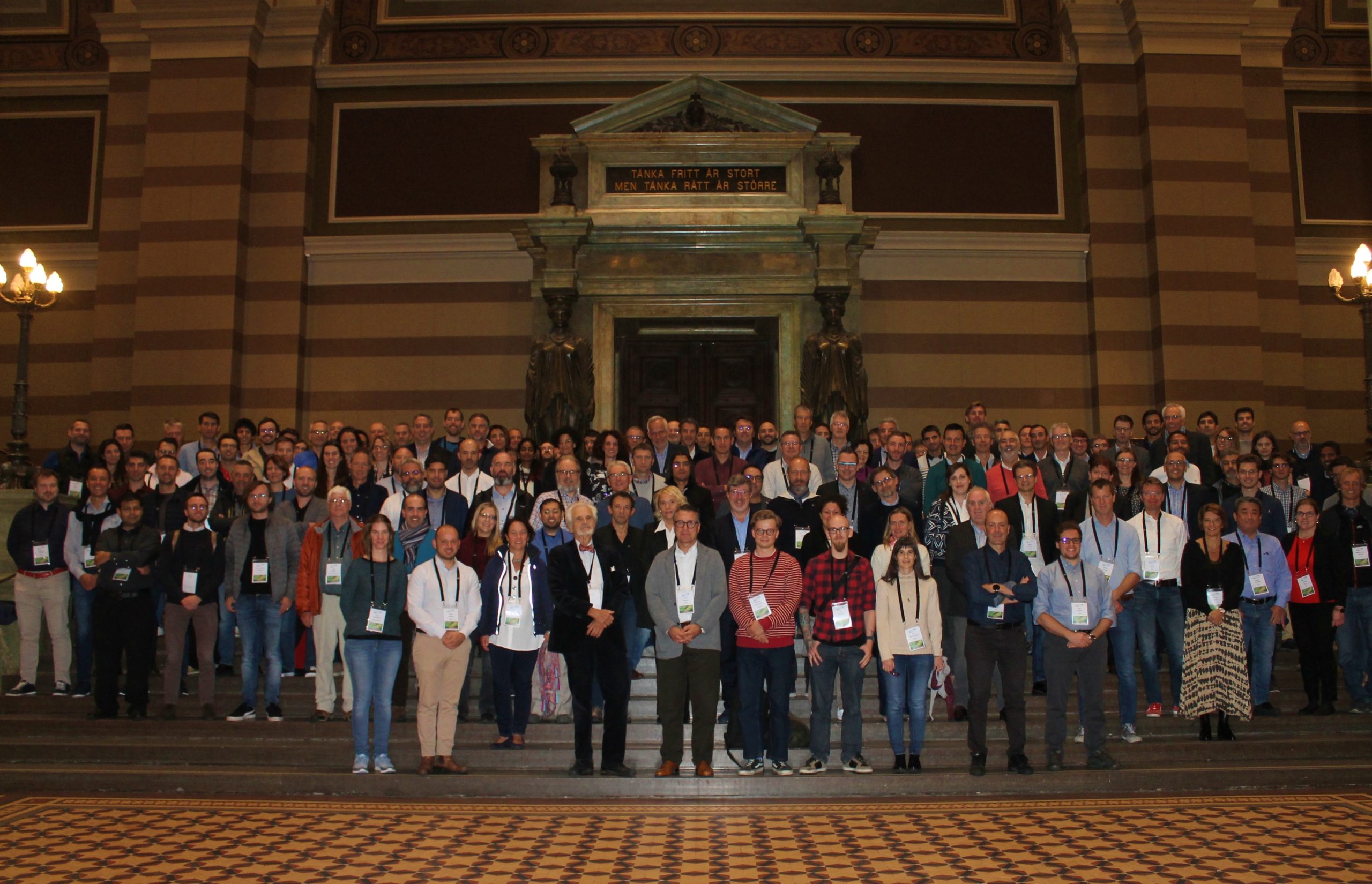
12th Collaboration meeting of the HL-LHC project, finally live again!
12th Collaboration meeting of the HL-LHC project, finally live again! By Oliver Brüning and Markus Zerlauth (CERN) Following the completion of the second Long Shutdown (LS2) and the successful re-start of CERNs accelerator complex for its 3rd operational run, efforts at CERN and across the High-Luminosity collaboration are now focusing on the series production of all